My first memory of Callander is tied to St Kessog’s Church. It was a lovely summer’s day 25 years ago, and I was visiting what was then the Rob Roy Centre. I remember being struck by the exterior of the building. Even before I knew much about its history or significance, it felt important – solid, dignified, and full of stories. Years later, I returned when the building was operating as the Clanranald Centre. Like many people in Callander, I was sad when it stopped being used. Since then, it has stood quietly – clearly still loved, but without a clear role – a loss felt by many in the town.
At Làmhan, we work to reconnect people with Gaelic language and culture in ways that are welcoming, community-led, and rooted in place. In October, we began Gaelic classes in Callander with local primary teacher Mhairi Nic Aoidh. What began as a small local class has quickly grown. We now also run online classes, with students joining us weekly from across Scotland, as well as from America and Canada – alongside people in Callander itself. This growth has shown both local and international interest in reconnecting with Gaelic through place-based learning.
Callander has deep Gaelic roots. For centuries, it was a predominantly Gaelic-speaking town. The last native speaker died in the 1990s – a reminder of how recently the language fell silent here. Just a few miles away, Doune was traditionally Scots-speaking, placing Callander at the edge of the Gàidhealtachd, where languages and cultures met.
A conversation with Mhairi helped move our thinking forward. After performing at the Mòd in Fort William – the national festival celebrating Gaelic song, music, and language – we began imagining what a similar, local-scale event could look like in Callander. That conversation sparked the idea of establishing a fèis. A fèis is a community-based Gaelic arts festival focused on traditional music, song, dance, and language. Fèisean are about participation, learning, and passing culture between generations. We are now actively working towards setting up a fèis for Callander – something that feels both rooted in the town’s history and hopeful for its future.
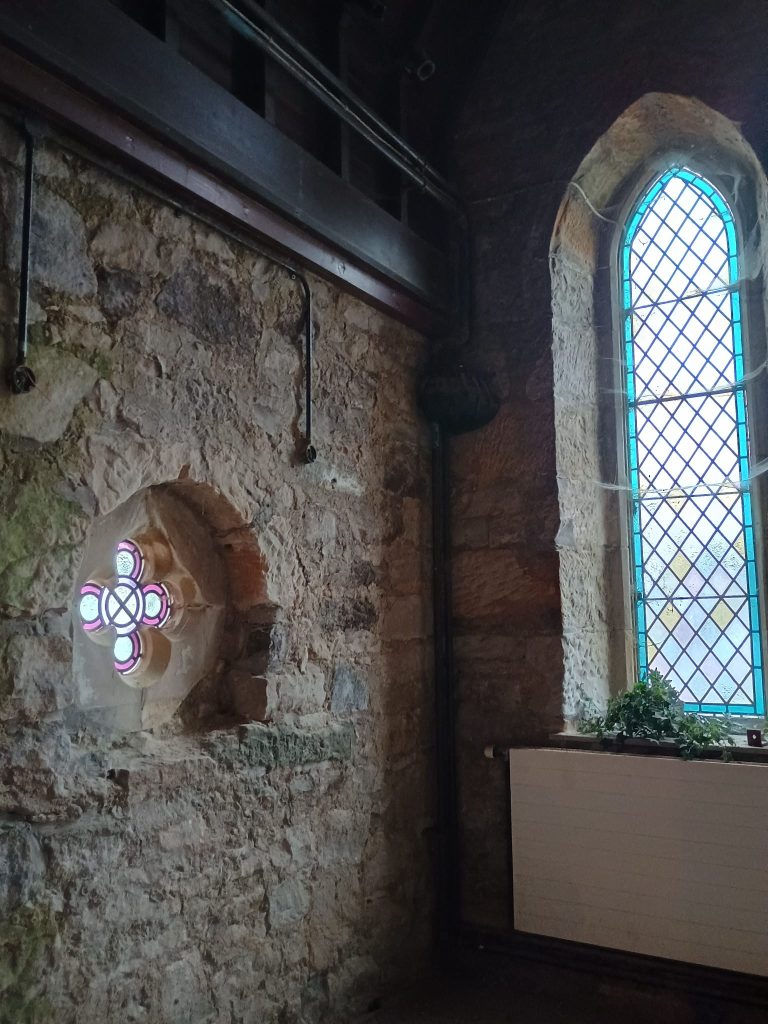
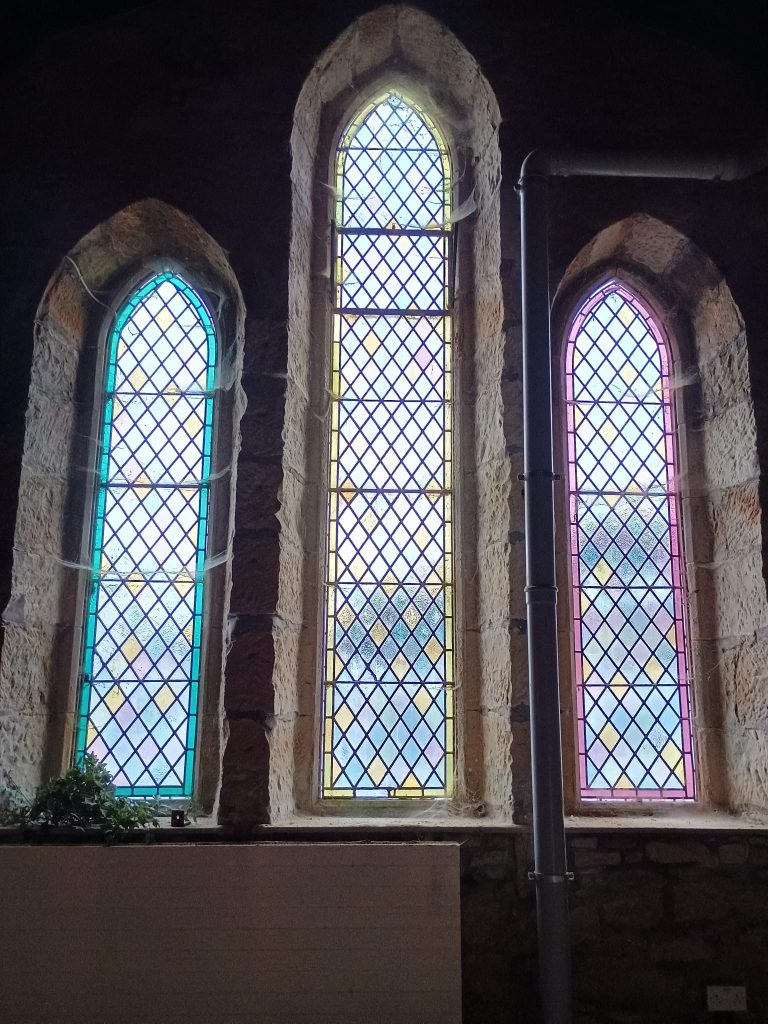
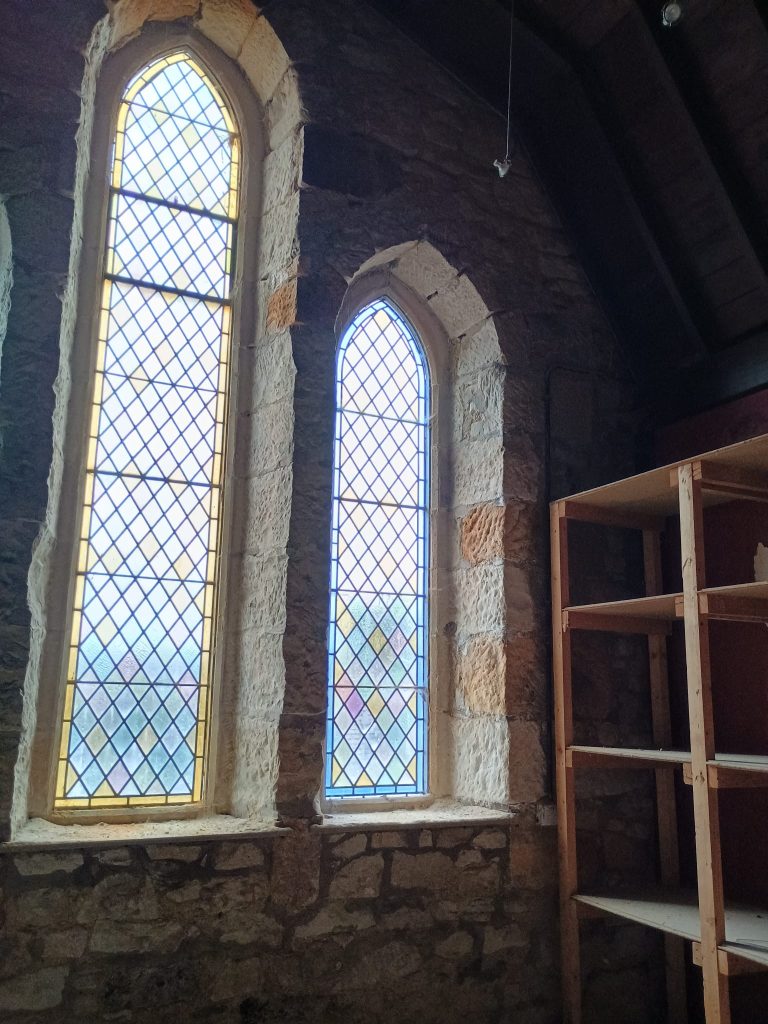
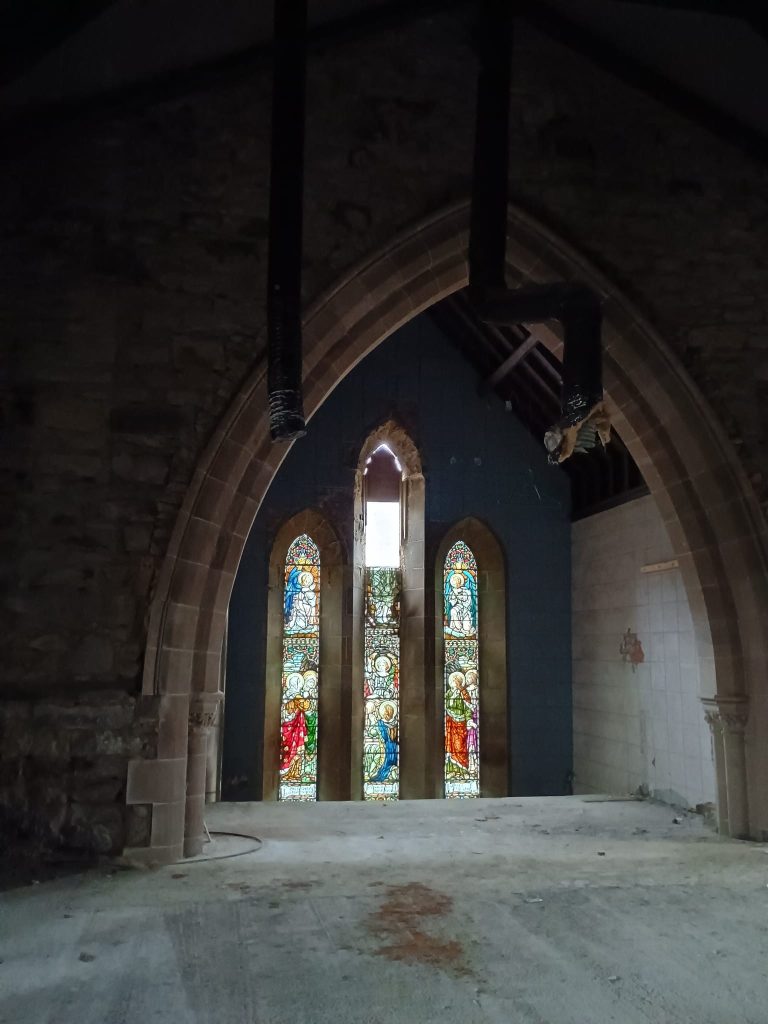


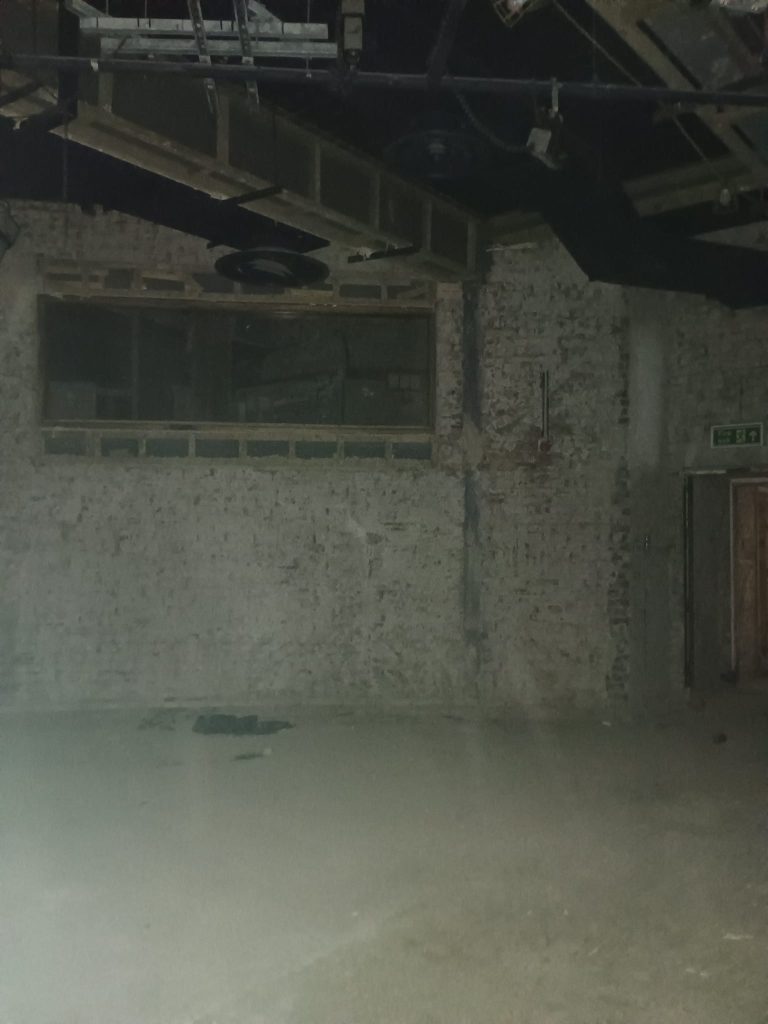
The surprising interior of the building
Three weeks ago, we carried out an internal inspection of St Kessog’s Church. We were genuinely surprised by what we found. The interior is in far better condition than expected. This is due to essential stabilisation work already undertaken by Richardson and Starling on behalf of Stirling Council, which prevented further deterioration. More detail on this work can be found here:
I have been unable to find out for definite when this work was done, but ChatGPT seems to think it was done towards the end of 2024. While the spire still requires significant attention, we believe funding could be accessed from sources such as Historic Environment Scotland, the Scottish Land Fund, the Architectural Heritage Fund, and other charitable funders that support the reuse of historic buildings. There is a lot of interest from the Scottish government in saving our historic built environment, especially since the Church of Scotland has put so many former churches up for sale this year.
St Kessog’s Church has stood at the heart of Callander for generations. We believe the time has come to bring it back into active community use – as a place for language, music, learning, and gathering. To help shape that future, we’ve created a short survey:
https://book.plinth.org.uk/survey/qQi4lXXfl4YWpjYbator
Whether you remember the building as the Rob Roy or Clanranald Centre, have Gaelic connections, live locally, or simply care about the future of Callander, your voice matters.
We should note that we’ve received a small number of rather rude anonymous comments, possibly from the same individual. For this reason, we are now asking respondents to leave an email address. We will only contact you if you give us permission to. This helps ensure feedback is constructive and allows us to keep people informed as plans develop.
This work will only succeed with community support. By taking part, you are helping us show that there is real appetite to see St Kessog’s Church restored not just as a historic building, but as a living space once again – rooted in Callander’s Gaelic past and open to its future.
To read what a fèis is, and what it offers the local community, please see Fèisean nan Gàidheal’s brilliant website which has lots of useful information: https://www.feisean.org/en/feisean-en/what-is-a-feis/
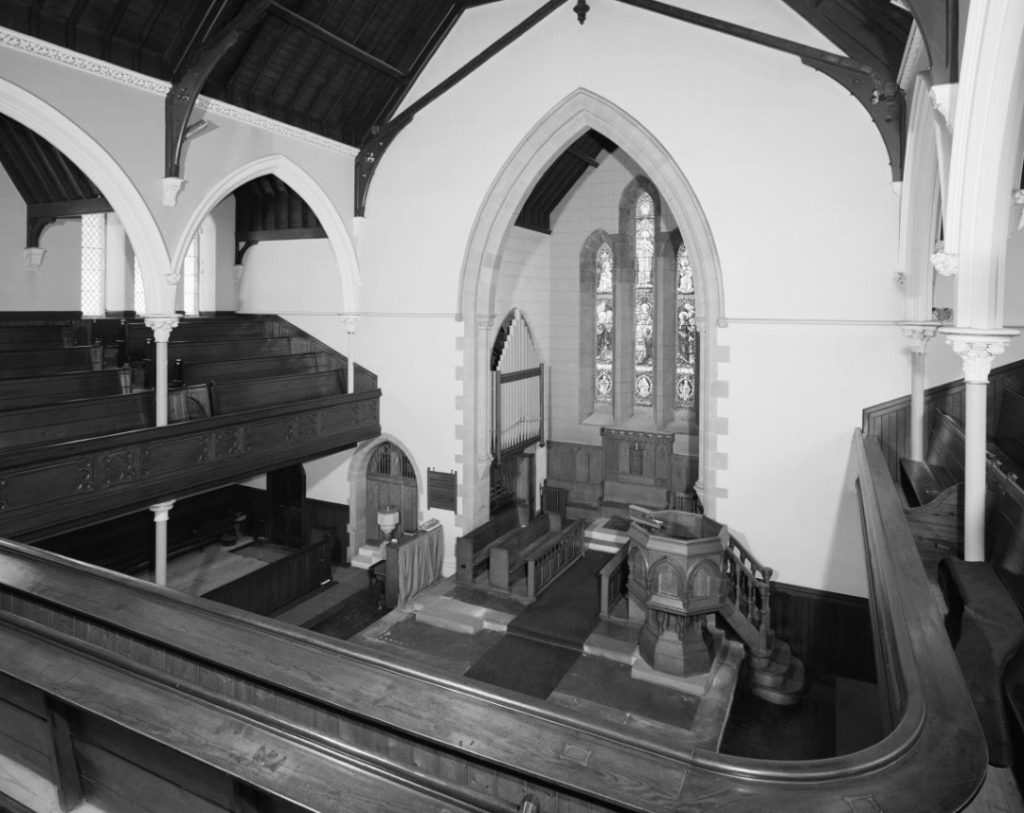
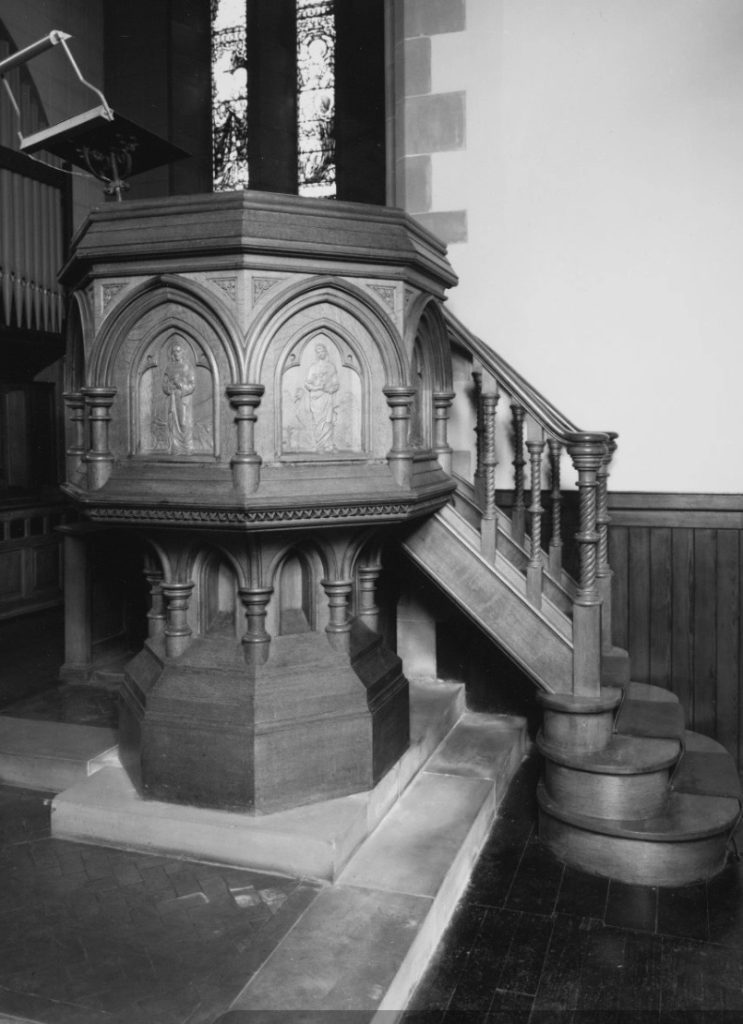
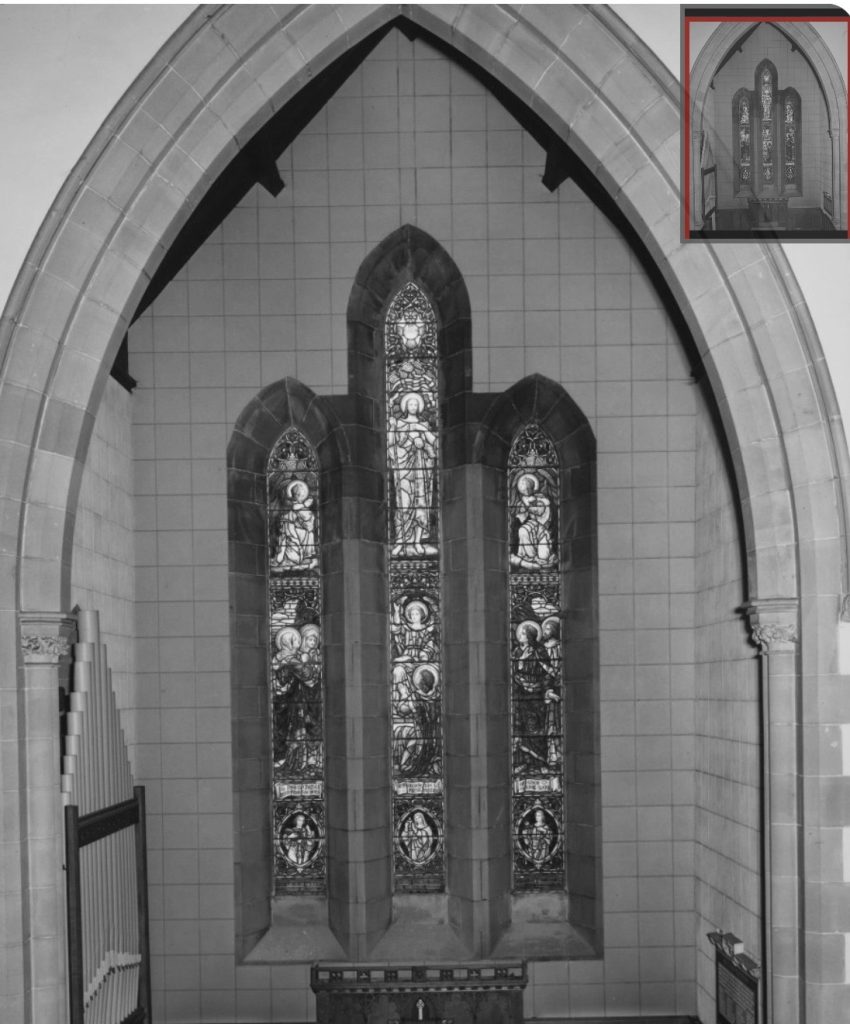
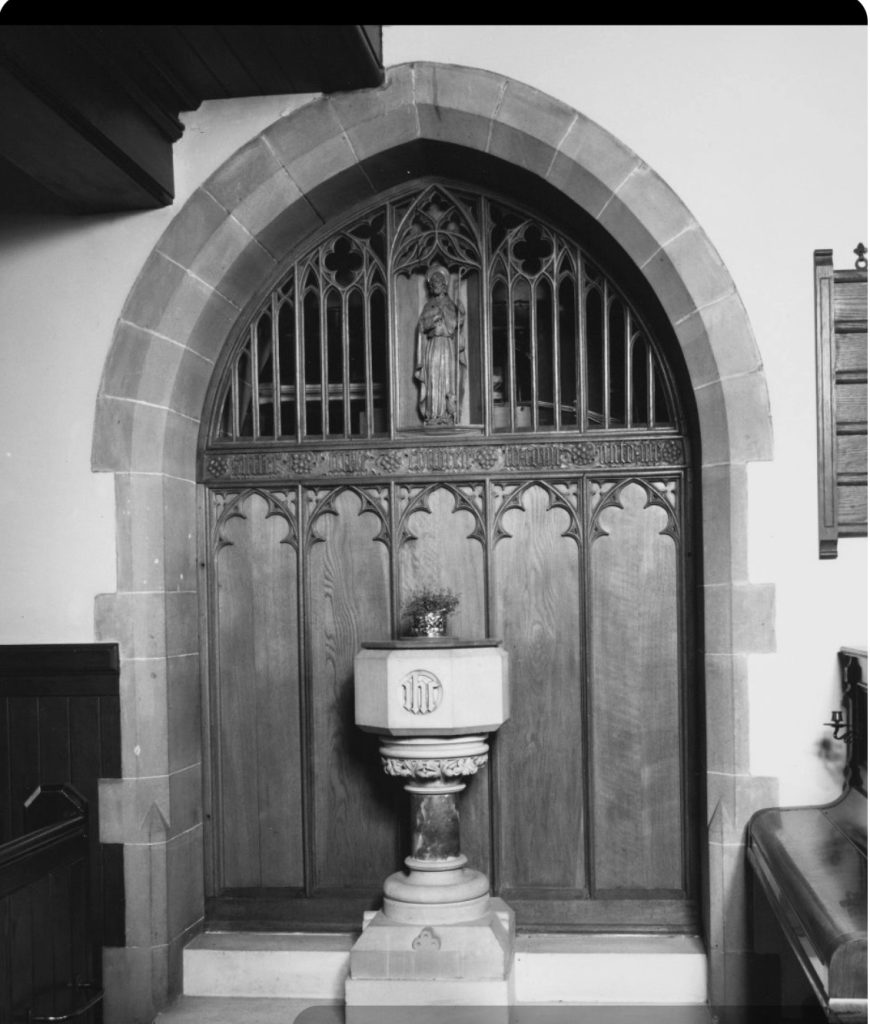
Images screenshotted from trove.scot of St Kessog’s when it was a regular place of worship