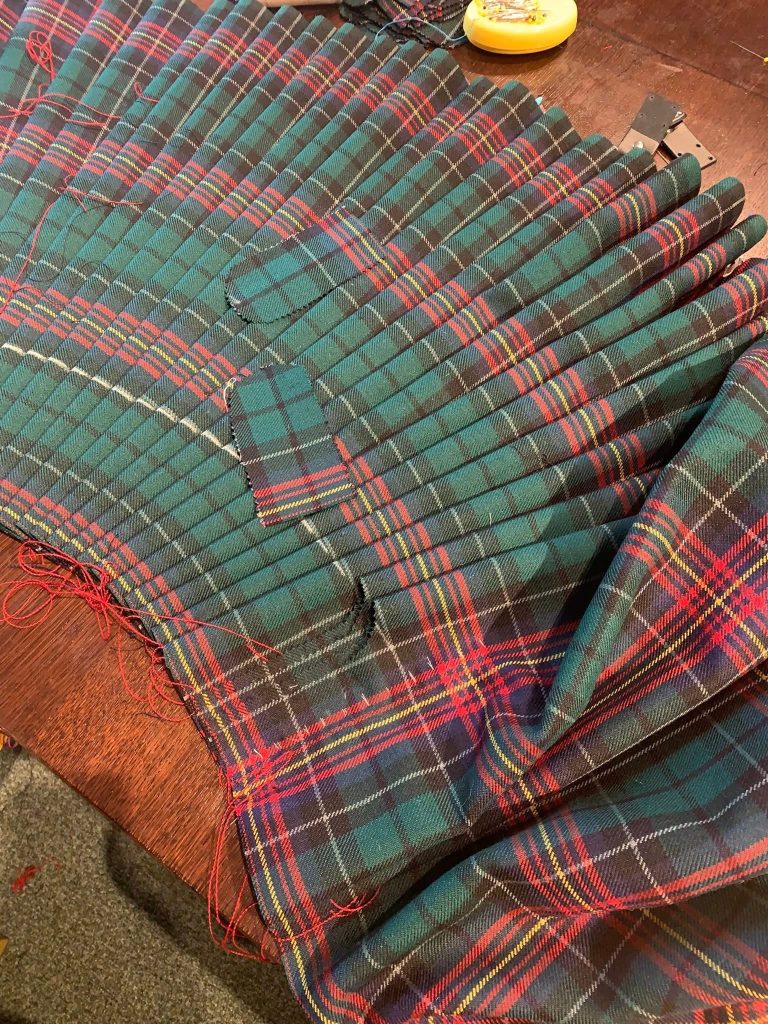
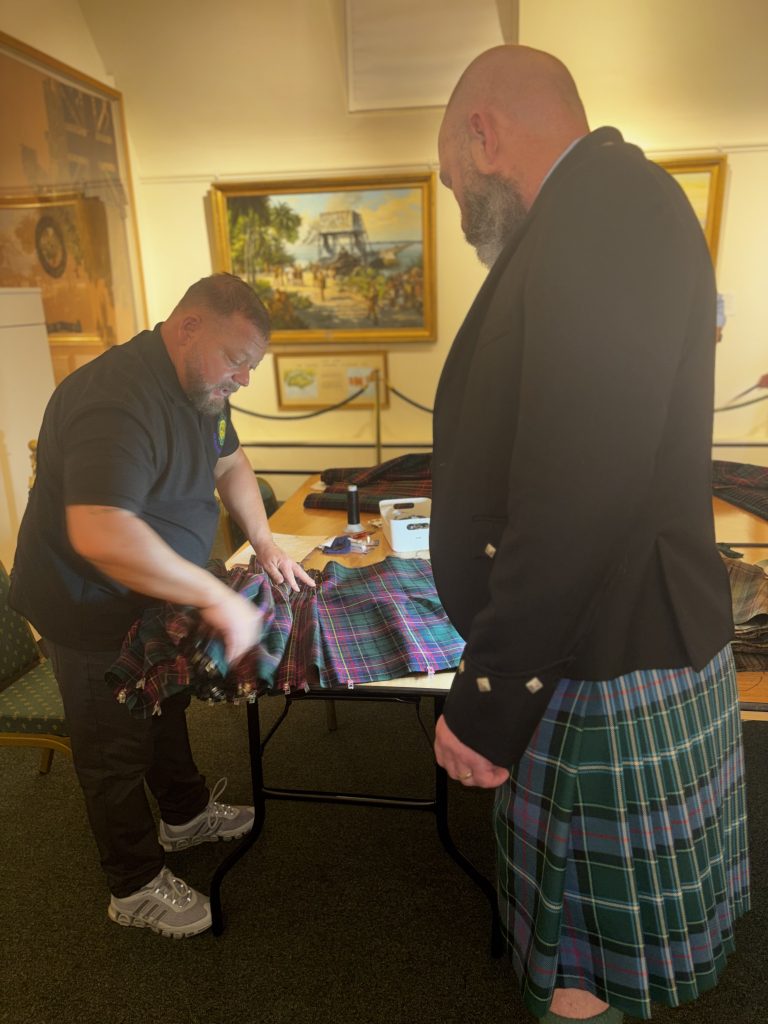
The first cohort of our Kiltmaking for Veterans programme is now nine days in, and I can honestly say it has been one of the most uplifting things I’ve been part of in a long time. Even with one day cut short thanks to the wild weather at Stirling Castle, this group has shown such commitment, humour, and heart. Watching them settle into the rhythm of the work — the stitching, the pleating, the quiet concentration, the bursts of laughter — has reminded me why this project matters so much. Their kilts are beginning to take shape, but so is something deeper: confidence, connection, and a sense of pride in learning a craft that carries real meaning.
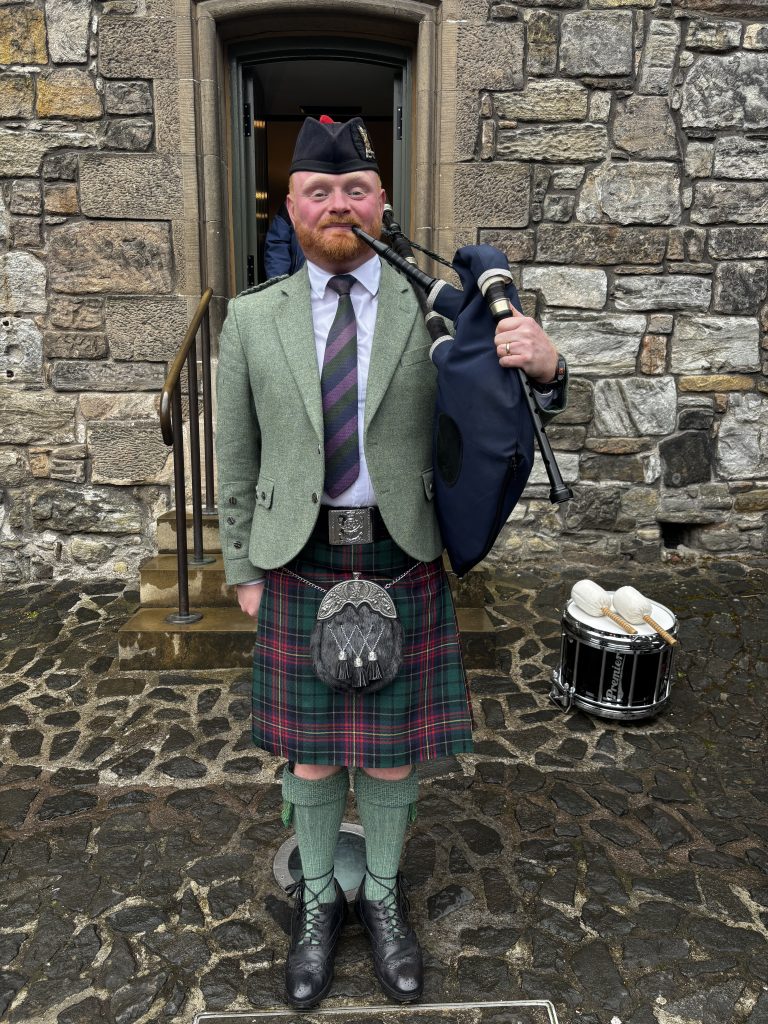
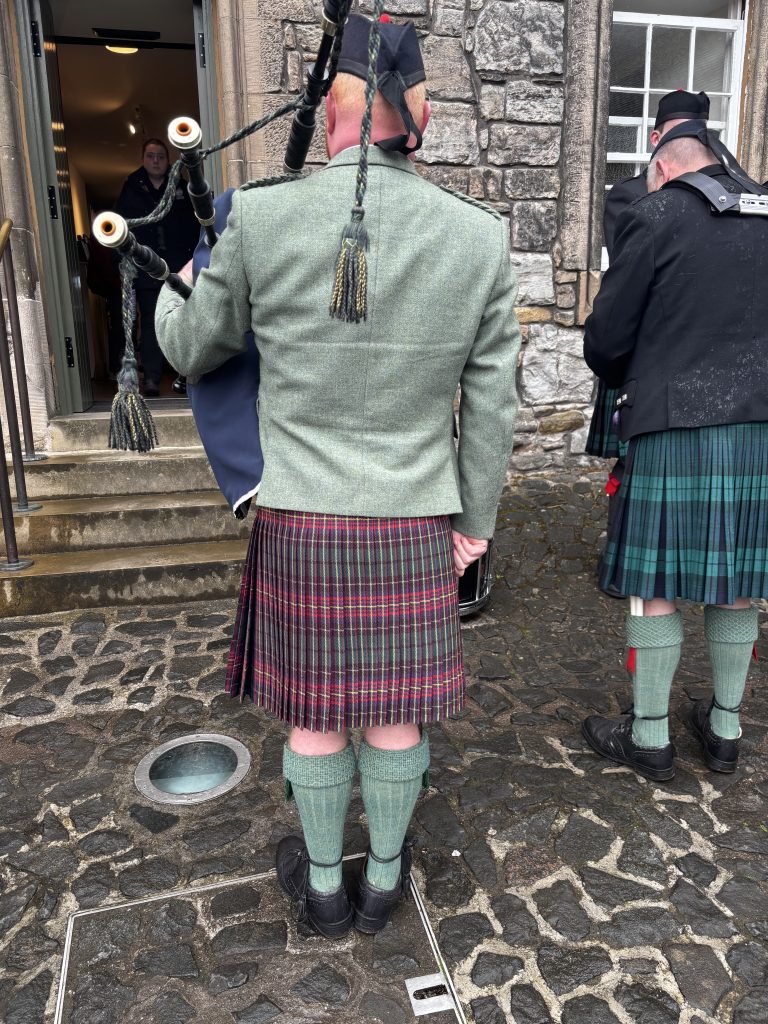
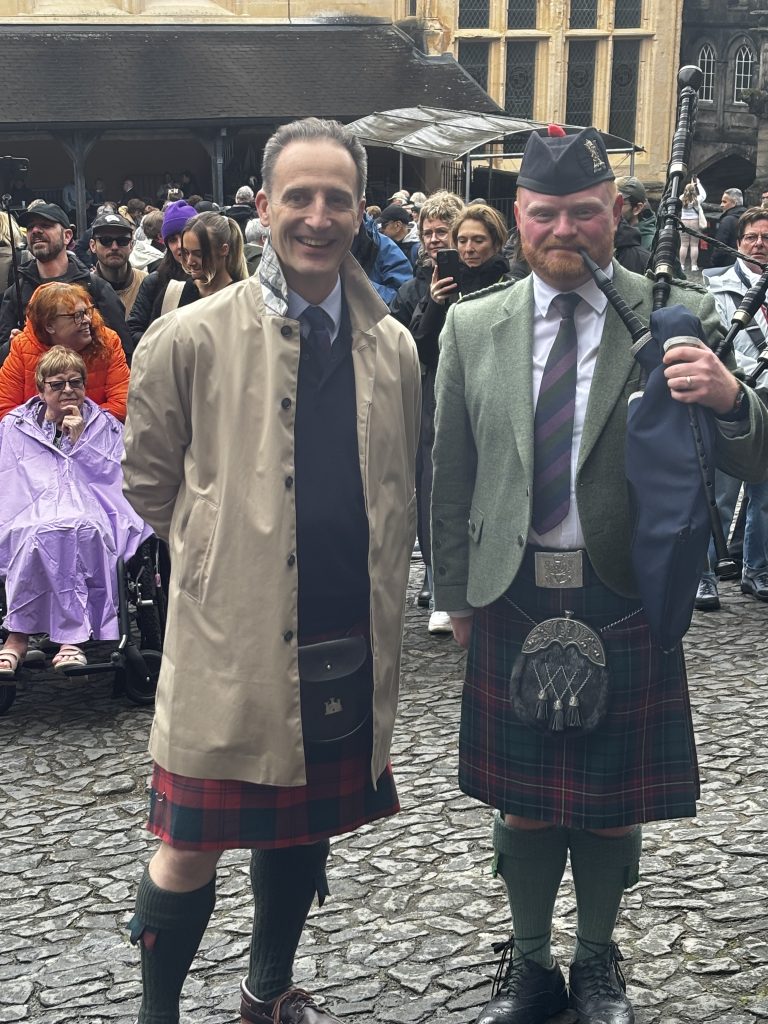
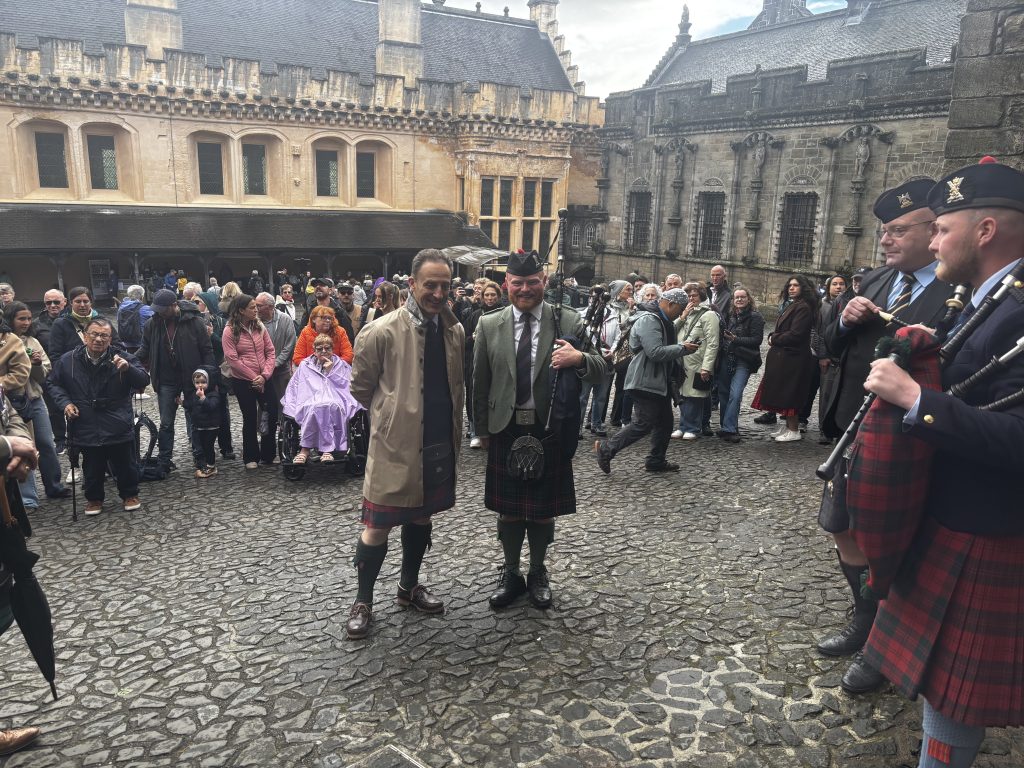
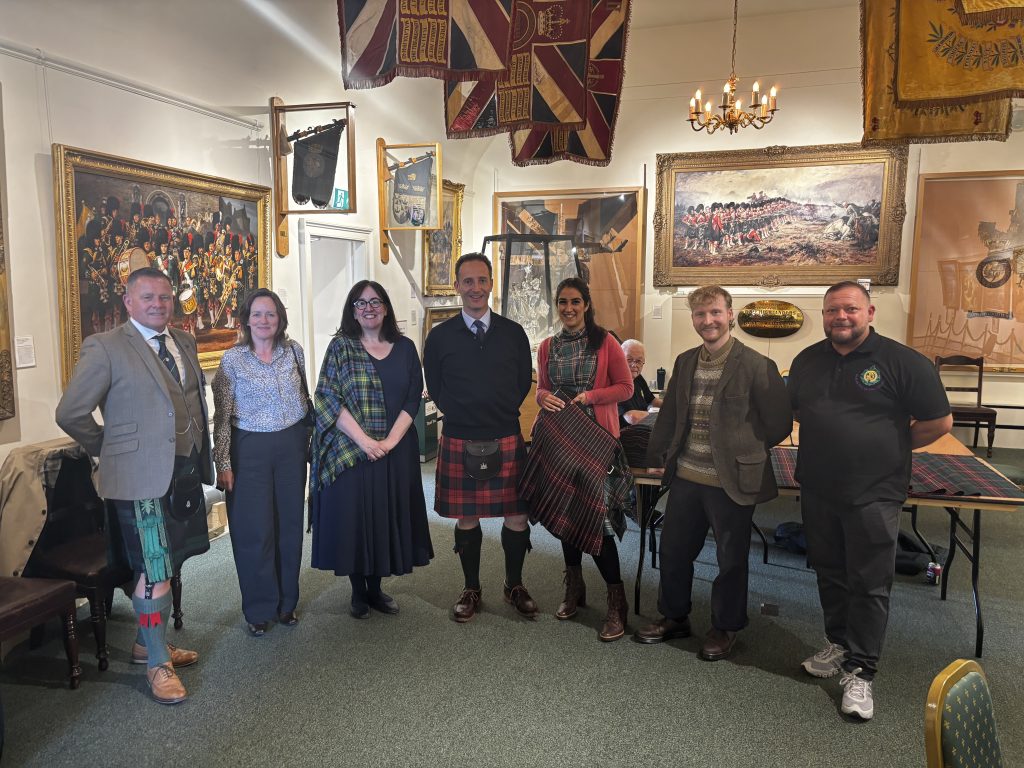
One of the standout moments so far was the visit on 17th May from Major General Robin Lindsay CBE, the General Officer of Scotland, and his wife Caroline. They arrived to the sound of the SCOTS Veterans Pipe Band playing outside the museum — a welcome that felt both powerful and deeply fitting. After a short tour with Major (Retd.) Alan Carmichael, CEO of the Argyll and Sutherland Highlanders Museum, we gathered in the Colours Room, surrounded by regimental colours that hold centuries of service and sacrifice. It’s a room that always makes you pause, and it felt like exactly the right place to talk about heritage, identity, and the importance of creating new opportunities for veterans today.
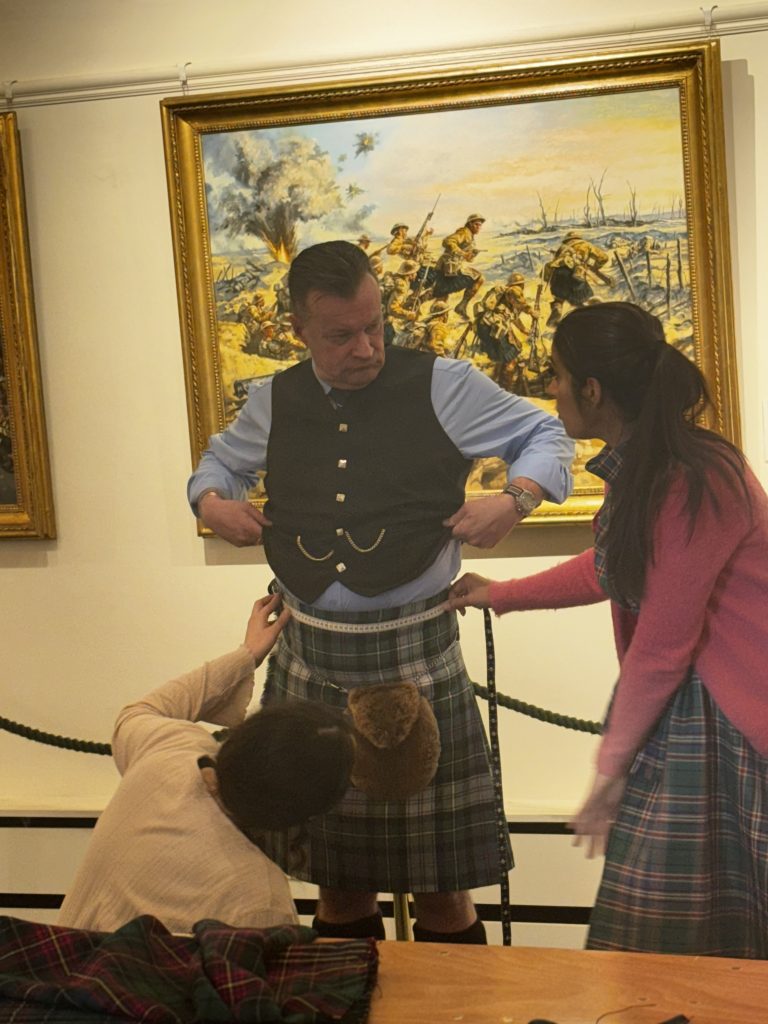
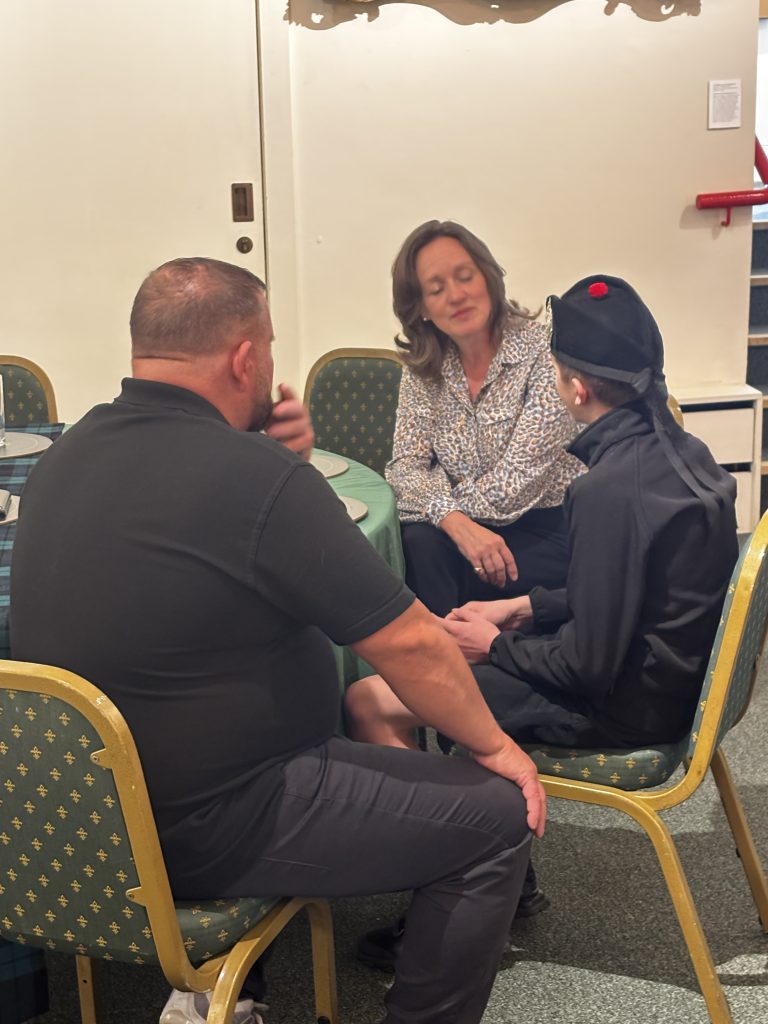
The Major General and Caroline spent time chatting with our participants, hearing about their progress, and learning more about the vision behind the programme. Members of the Pipe Band met the students who are making kilts for them, and some even had fittings on the day. It was lovely to see those connections forming — makers and wearers chatting together, sharing stories, and bringing the whole purpose of the project to life.
A huge part of why this programme works is Hannah. As a veteran herself, she understands her fellow veterans in a way that can’t be taught. She knows the humour, the hesitations, the shared experiences that sit beneath the surface. Despite being incredibly busy running her own business, she has carved out the time to give something back — and she is a natural teacher. Patient, skilled, encouraging, and able to bring out the best in everyone in the room. The atmosphere she creates is as important as the techniques she teaches.
And I absolutely have to thank Triana, our volunteer, whose support has been invaluable. She keeps everything running smoothly for Hannah, for our students, and for the museum — especially on the days when I can’t be there. Her calm presence and willingness to step in wherever needed have made a real difference to the flow of the course and the experience of everyone involved.
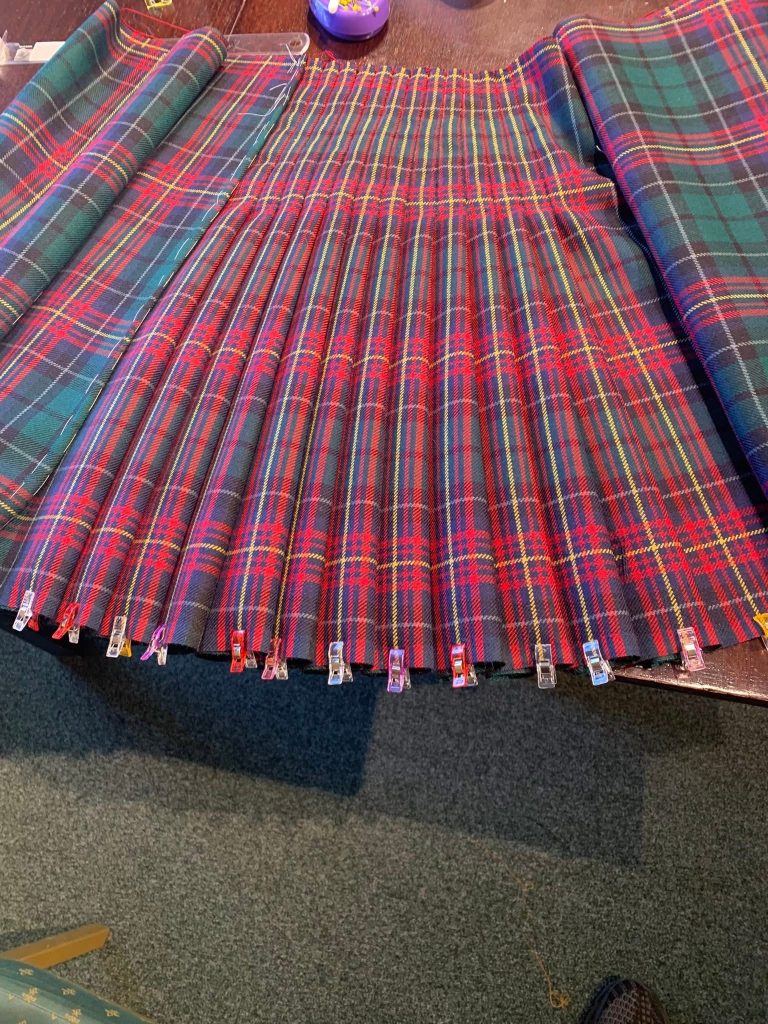
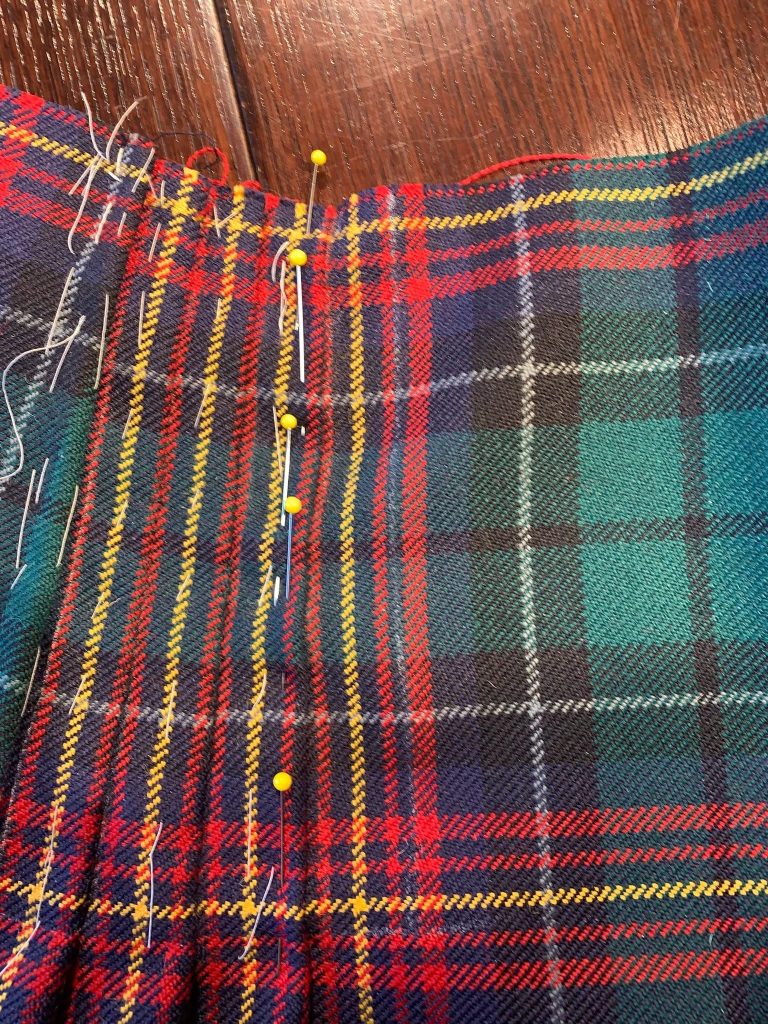
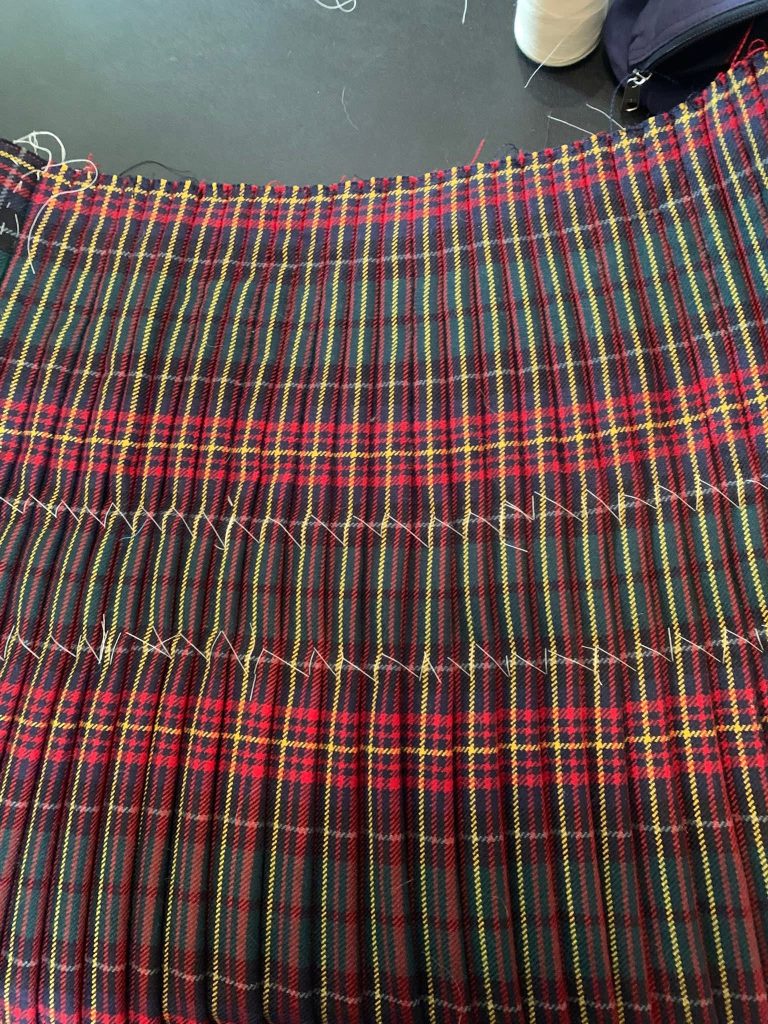
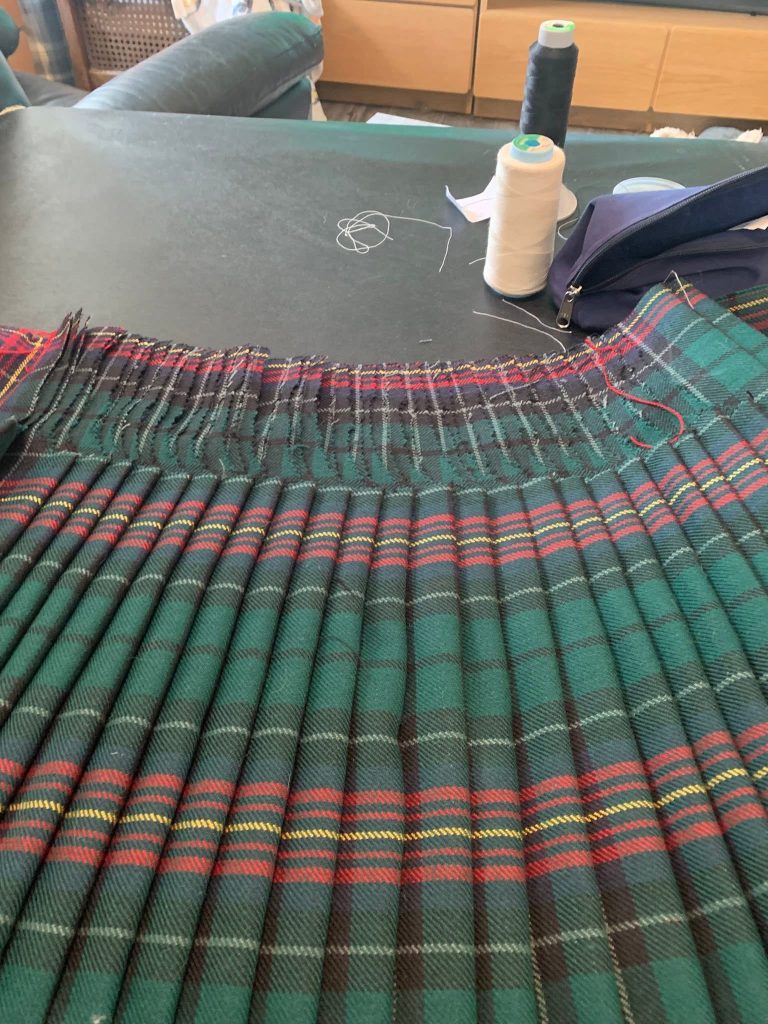
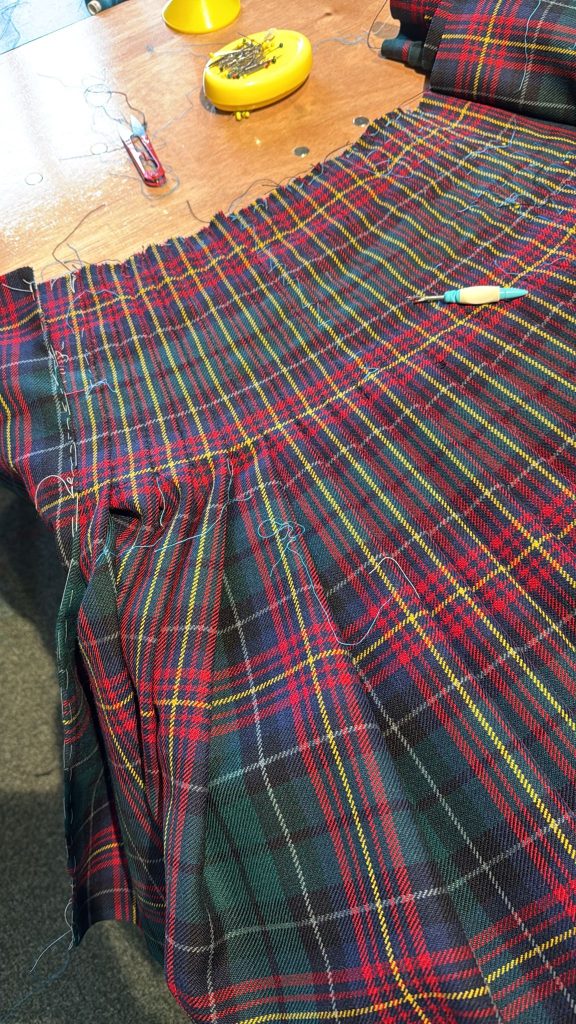
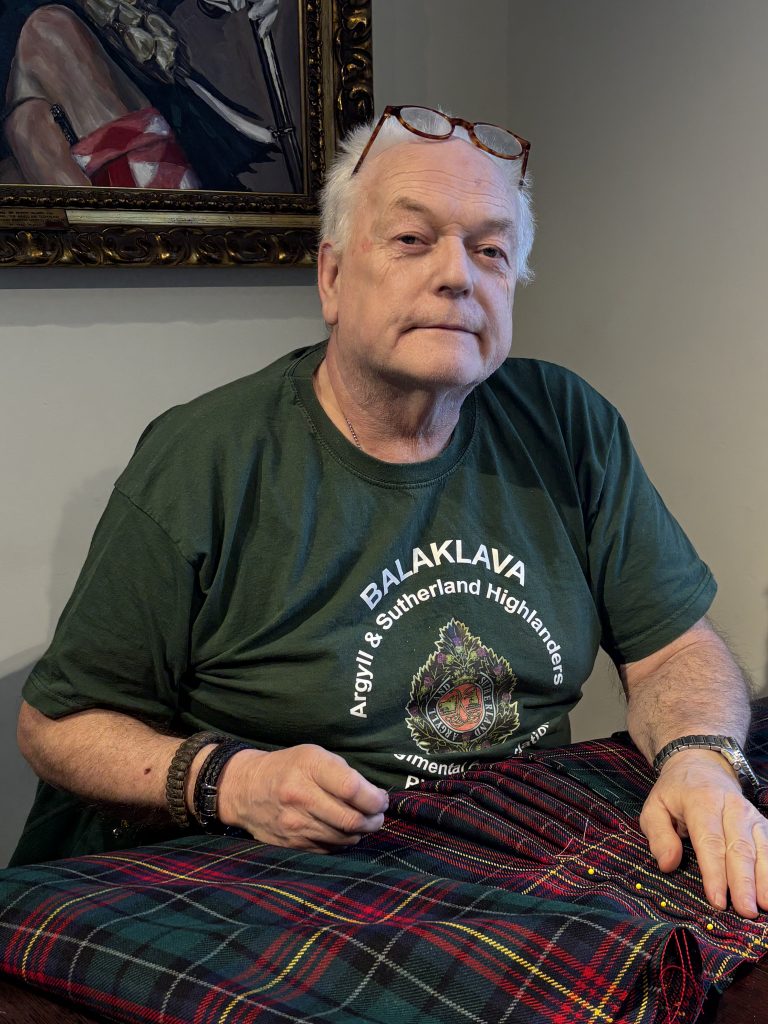
This first cohort has taught us so much about what works and what we can improve. We’re already shaping changes to the pacing, the order of techniques, and the support structure around the course. If you’re curious about that side of things, you can explore course improvements. The learning isn’t just happening for the participants — it’s happening for all of us.
The momentum is already building: the next two groups are fully booked, which is both exciting and a clear sign of how needed this kind of programme is. I’m currently deep in funding applications to extend the project so we can offer this opportunity to even more veterans across Scotland.
Alongside all of this, I’ve begun training with Combat Stress, and I’m learning so much — not only about mental health support, but about the wider Armed Forces community across both the central belt and the Highlands. These insights are shaping how I think about the programme, the support we offer, and the role that traditional craft can play in wellbeing, identity, and connection. If you want to explore that theme, you can look at veteran learning journeys.
And I’ll be honest: working in the third sector right now is hard. We’re all being asked to do more with less, to stretch ourselves further than ever, and to keep going even when resources are thin and the pressure is high. But this course — this group, this energy, this sense of purpose — has reminded me exactly why it’s worth it. Why we keep pushing. Why we keep finding ways to make things happen.
I’m incredibly proud of what this first cohort has achieved, and deeply grateful for the trust they’ve placed in the process. Their dedication is shaping the future of the programme just as much as our teaching is shaping their craft. And I can’t wait to see where we go next.